Since 1083 · Casentino, Tuscany

A place that made history

Almost a thousand years of castles, monks, scientists and great thinkers.

Tuscany has it all

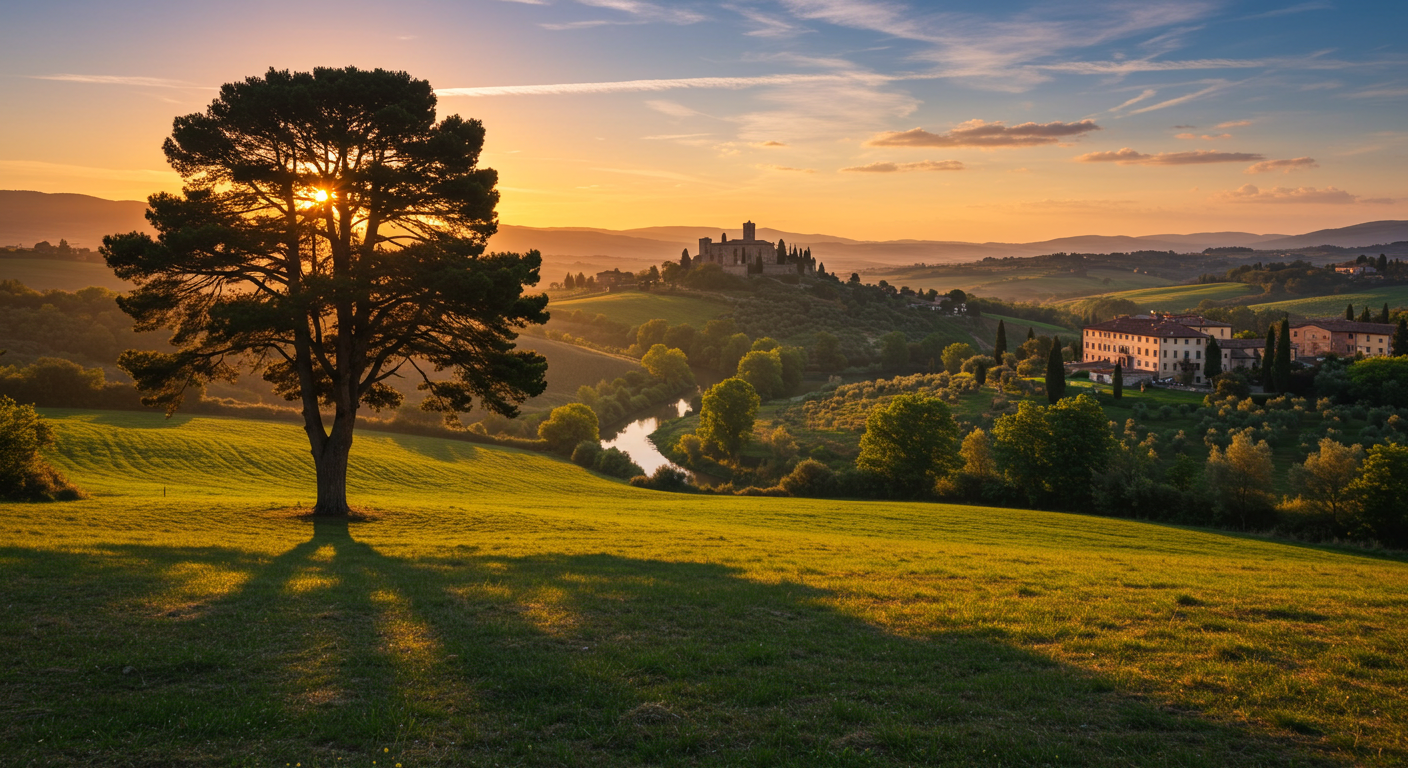
It was no accident that the Etruscans, the Byzantines and the Romans chose it. The Castle of La Nussa stood in a strategic position by the Arno, bordered to the north-east by the stream of Nussae — today the Catriolo ditch — and to the south by the river. Rich in historical and religious monuments, Tuscany holds here, in the heart of the Casentino near the Alpe di Catenaia and the Pratomagno, almost a thousand years of history.

La Nussa

Names that made history

Roberto Assagioli & Carl Gustav Jung

Here lived and studied Professor Roberto Assagioli, founder of Psychosynthesis and a friend of Carl Gustav Jung. At La Nussa he spent long retreats, held seminars with students and collaborators, and welcomed Jung himself: the villa became a true intellectual laboratory and a “spiritual home” where the boundaries of the human psyche were explored, far from the noise of the cities.
Alessandro Volta & engineer Ciapetti

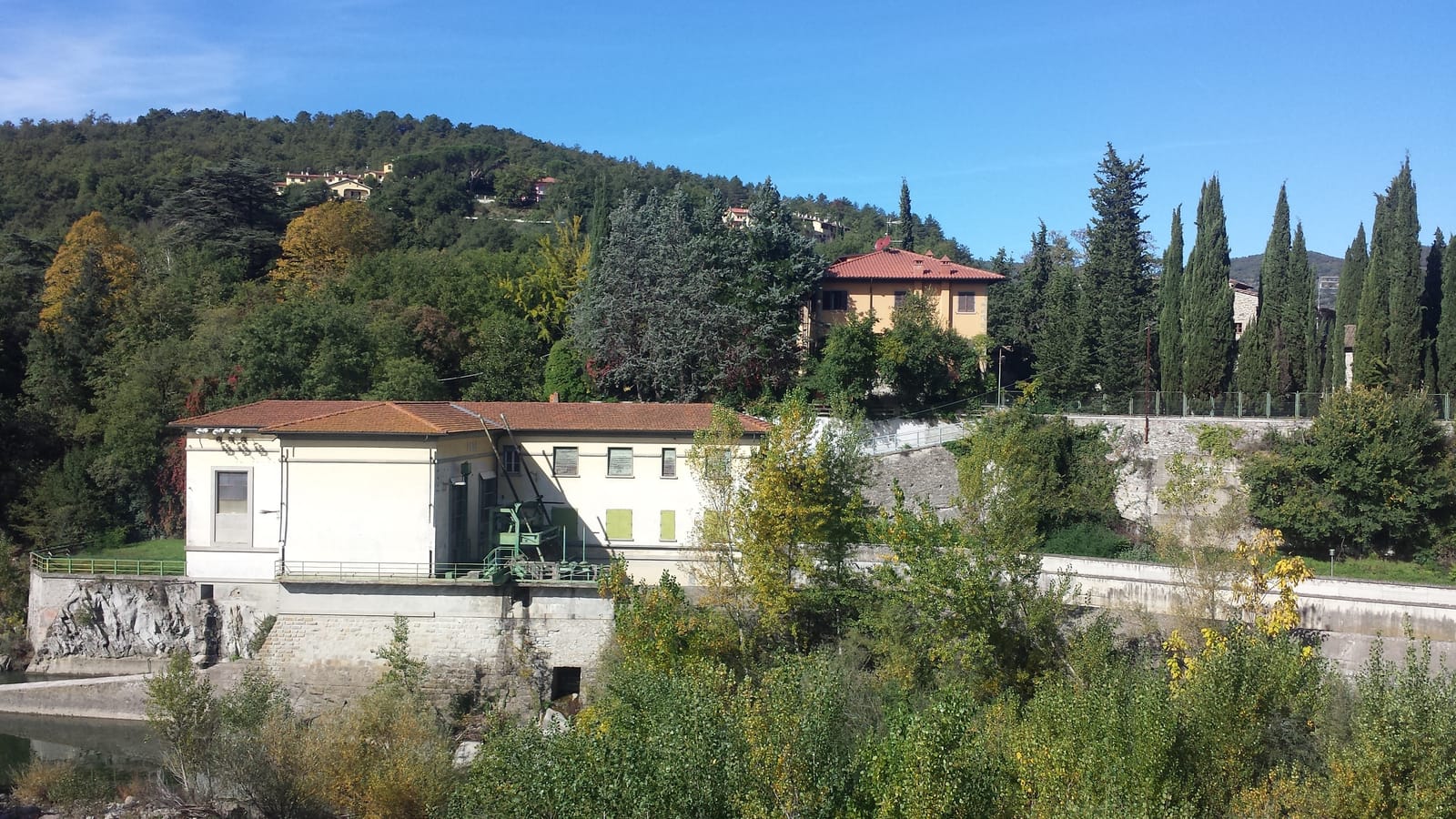
In the mid-19th century, Alessandro Volta and engineer Ciapetti designed the old hydroelectric plant adjacent to the Villa.

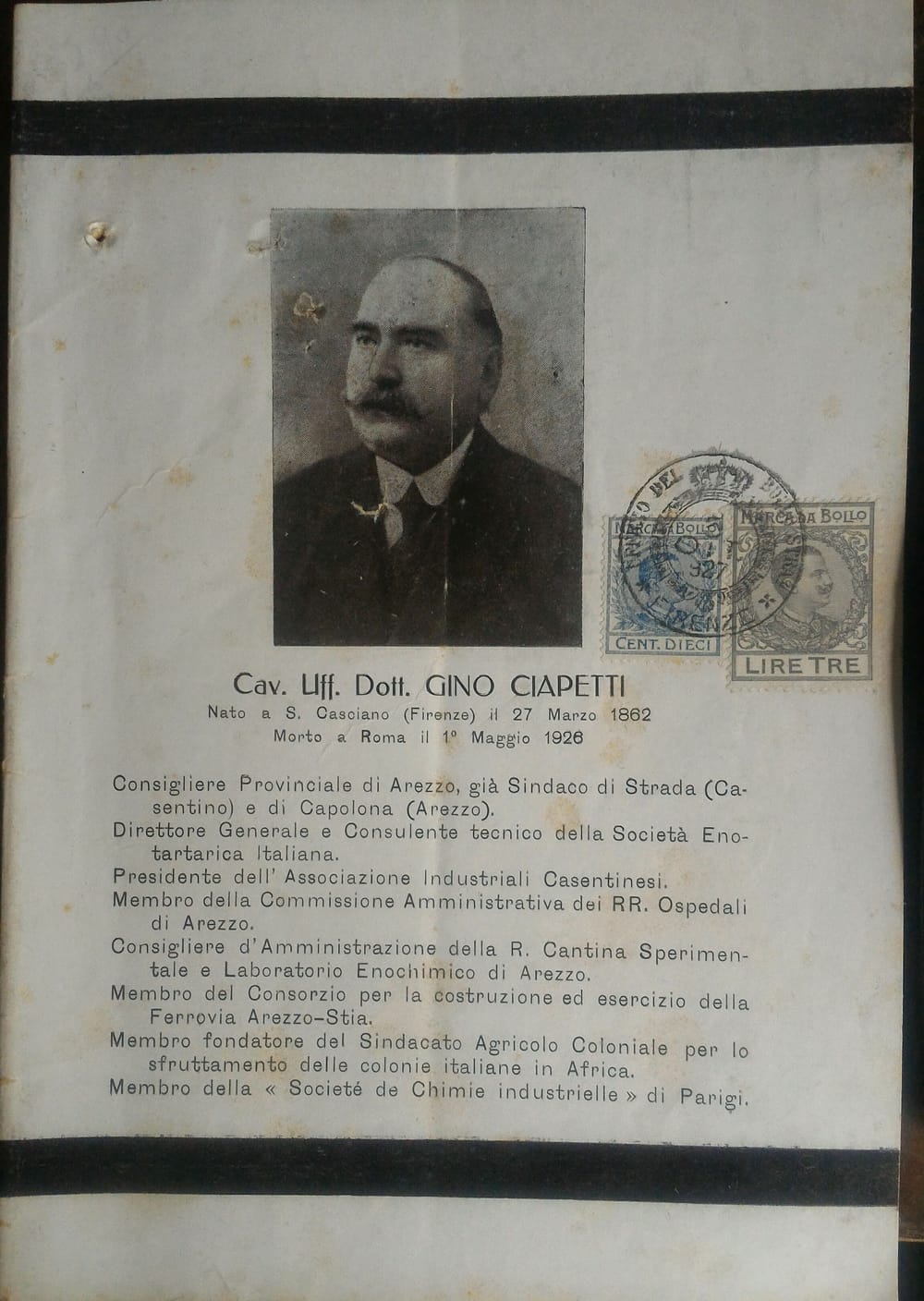
Cav. Gino Ciapetti

Cav. Gino Ciapetti

Cav. Uff. Dr. Gino Ciapetti (San Casciano, 1862 – Rome, 1926): Mayor of Capolona and of Strada in Casentino, Provincial Councillor of Arezzo, President of the Casentino Industrialists' Association and member of the Société de Chimie industrielle in Paris. The old hydroelectric plant beside the Villa, still overlooking the Arno today, is owed to him.

The old hydroelectric plant and, in the background, Villa La Nussa

The old hydroelectric plant and, in the background, Villa La Nussa

Almost a thousand years of history

  1. 11th c.

    The Castle of La Nussa, by the Arno, belongs to the nobles Purpura and Feralmo di Corbizzone.

  2. 1086

    The owners sell part of the castle to the Canons of Pionta, together with the church of San Bartolomeo; the site becomes the Chapter's administrative seat in the lower Casentino.

  3. 1163

    Frederick Barbarossa confirms possession with the Diploma of Lodi (9 November 1163).

  4. 1182

    Pope Lucius III confirms it from Velletri (4 April 1182).

  5. 1191

    Emperor Henry VI ratifies the possession.

The Casentino

Rich in history, art and culture, the Casentino offers panoramic views that restore heart and mind. The local food and restaurants are much appreciated.

The house

La Nussa offers comfortable beds, a kitchen, the intimacy of its rooms and plenty of space. It suits couples, solo adventurers, business travellers, families (with children), large groups and well-behaved furry friends.

Good to know

  • Free parking in a private area adjacent to the property.
  • Languages spoken: Italian, English, French.

We love nature, good company and fine Chianti wine.

Come and live it

Check availability